


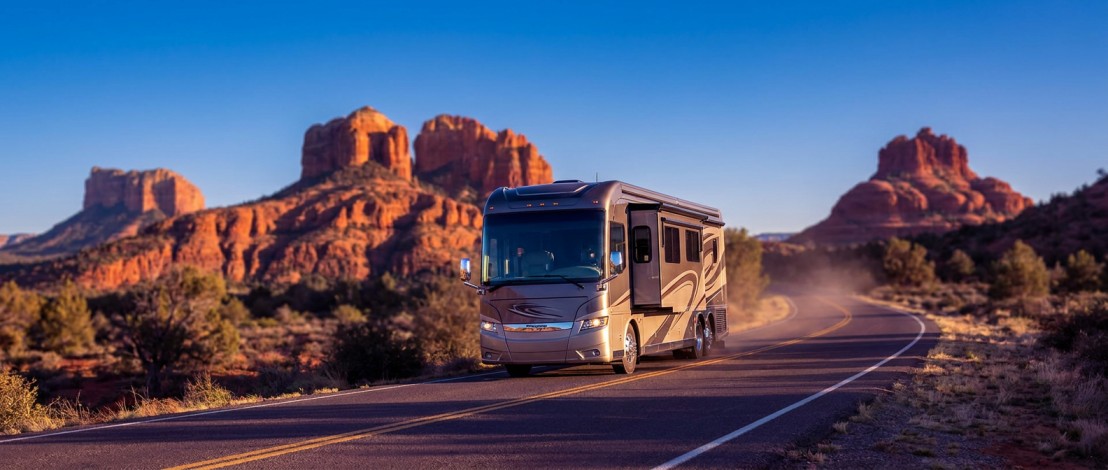
Arizona’s diverse landscapes—from Sedona’s red rocks to the Sonoran Desert and mountain forests—make it a paradise for RV enthusiasts. Whether you’re exploring the Grand Canyon’s South Rim or spending winters in Quartzsite, proper insurance protection keeps your adventure worry-free. Understanding types of coverage available helps you make informed decisions about protecting your home on wheels.
What Does RV Insurance Arizona Actually Cover?
RV insurance works differently than standard auto policies because recreational vehicles serve as both transportation and living space. Your policy typically includes several core protections that address the unique nature of these vehicles.
Liability coverage pays for injuries or property damage you cause to others while operating your RV. Arizona law requires minimum liability limits, though RV owners often need higher amounts due to the increased damage potential of larger vehicles. Many experienced RV owners combine their policy with umbrella insurance in Phoenix for extended protection.
Collision coverage repairs or replaces your RV after accidents with other vehicles or objects. This matters particularly on Arizona’s narrow mountain roads and busy interstate corridors where RV accidents can result in significant repair costs.
Comprehensive coverage handles non-collision damage including theft, vandalism, fire, and weather events. Given Arizona’s monsoon season risks, this coverage proves essential during summer months when sudden storms can damage parked vehicles.
Types of RVs and Their Insurance Requirements
Insurance needs vary based on your recreational vehicle type. Understanding these distinctions helps you secure appropriate coverage levels.
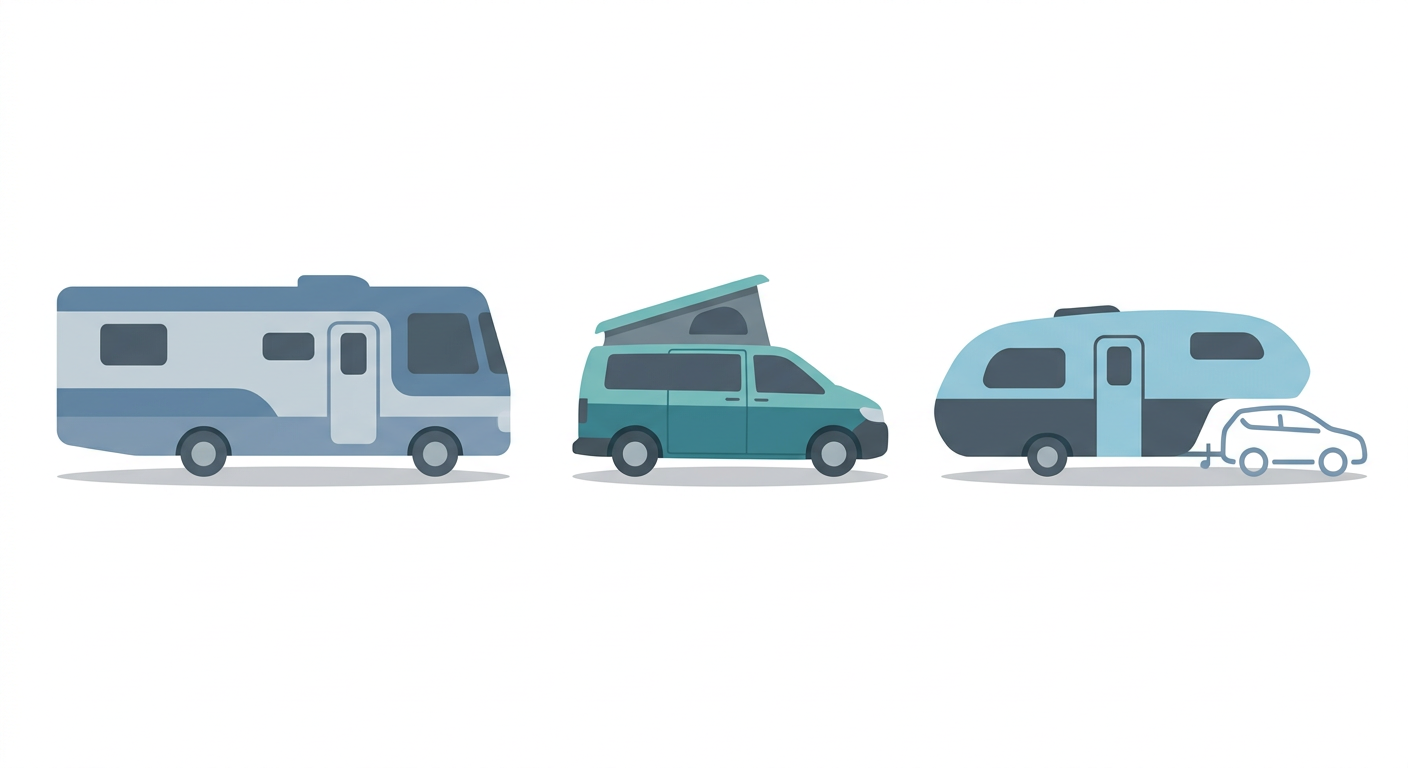
Class A Motorhomes: These bus-style vehicles typically require the most comprehensive coverage due to their value, often ranging from substantial investments. Policies usually include contents coverage for furniture, appliances, and personal belongings.
Class B Camper Vans: More maneuverable than larger motorhomes, these vehicles still need full motorhome coverage including liability, collision, and comprehensive protection.
Class C Motorhomes: Built on truck or van chassis, these mid-size RVs need coverage reflecting their moderate size and value.
Travel Trailers and Fifth Wheels: Since these units require towing, you’ll need coverage for both the trailer and your towing vehicle. Your Phoenix auto insurance policy may not automatically cover trailer contents or living space damage.
Arizona-Specific Coverage Considerations
Desert climate and terrain create unique insurance needs that RV owners from other states might not anticipate. Arizona’s environment affects coverage decisions in several important ways.
Extreme Heat Protection: Summer temperatures exceeding 115°F in Phoenix and surrounding valleys can damage RV components, batteries, and tires. Comprehensive coverage typically addresses heat-related damage, though deductibles and coverage limits vary by carrier.
Monsoon and Flash Flood Coverage: Arizona’s July through September monsoon season brings sudden storms that create flash flood conditions. RVs parked in washes or low-lying areas face substantial risk. Understanding monsoon coverage options helps protect your investment during storm season.
Off-Road and Boondocking Protection: Many Arizona RV enthusiasts enjoy dispersed camping on Bureau of Land Management or National Forest land. Some policies exclude or limit coverage for off-road operation or camping beyond designated campgrounds.
Ready to protect your Arizona adventures? Independent Insurance Brokers Arizona compares RV coverage from 40+ carriers to find protection that matches your travel style. Request your personalized RV insurance quote and discover how independent brokers save you time and money.
Full-Time RV Insurance: Living on the Road
If your RV serves as your primary residence, standard recreational vehicle policies may leave coverage gaps. Full-timer policies address the unique needs of people who live in their RVs year-round or for extended periods.
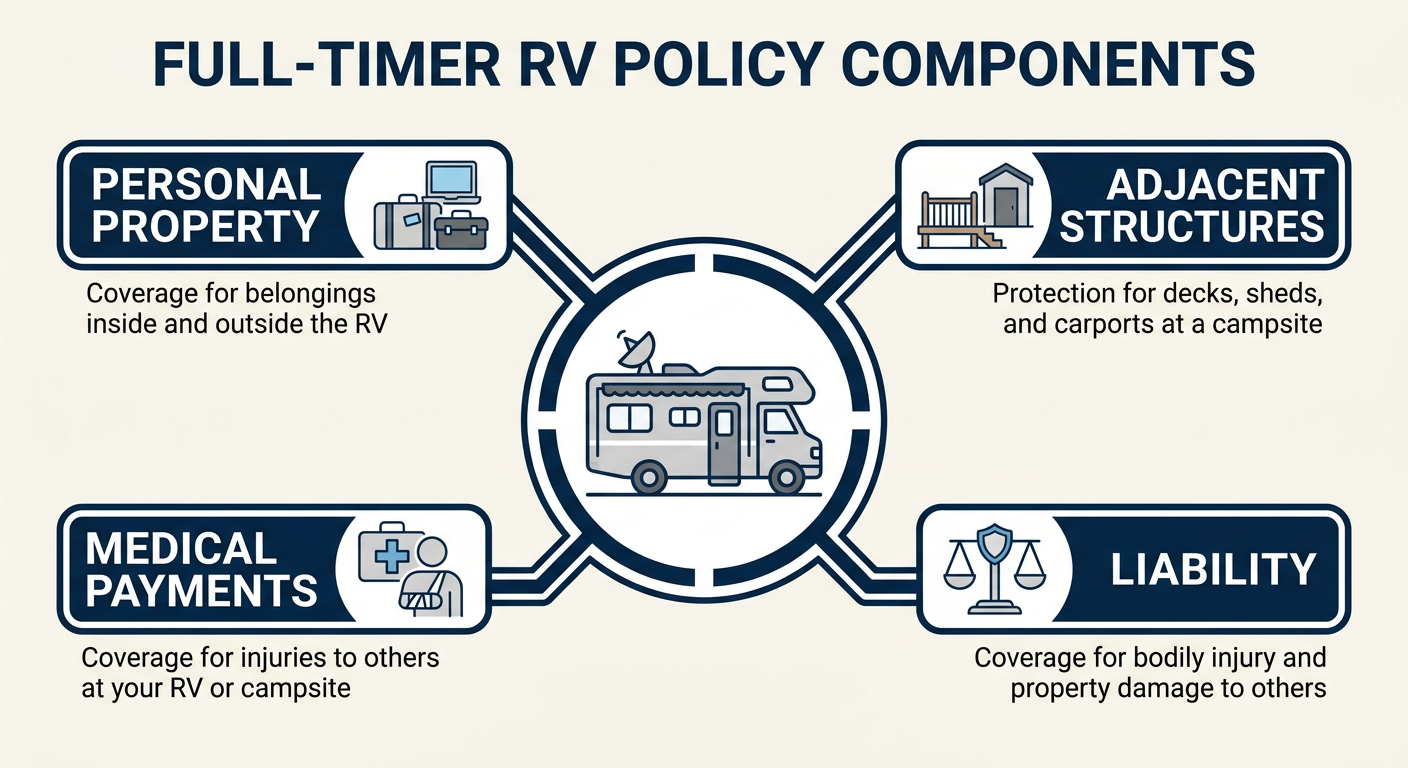
Full-time RV insurance typically includes:
- Increased personal property coverage for belongings stored in your RV
- Liability protection similar to homeowners insurance
- Medical payments coverage for guests injured in your RV
- Loss of use coverage if your RV becomes uninhabitable after a covered claim
Arizona attracts many snowbirds and full-time RV residents who appreciate mild winter weather. Whether you’re based in Mesa, Yuma, or traveling throughout the state, full-timer policies provide protection comparable to traditional home insurance coverage.
Factors That Affect Your RV Insurance Rates
Several elements influence what you’ll pay for RV insurance in Arizona. Understanding these factors helps you anticipate costs and potentially qualify for discounts.
RV Type, Age, and Value: Newer, more expensive motorhomes cost more to insure than older travel trailers. However, older RVs may require specialized coverage similar to older mobile home insurance considerations.
Usage Patterns: How often you use your RV and where you travel affects rates. Policies for weekend warriors typically cost less than coverage for full-timers who put significant miles on their vehicles annually.
Storage Location: Where you keep your RV when not traveling matters. Covered storage, gated facilities, and alarm systems can reduce premiums compared to street parking.
Driving Record: Your personal driving history impacts RV insurance rates just as it affects auto insurance rates. Clean records typically qualify for better rates.
Credit History: In Arizona, insurers may consider credit-based insurance scores when calculating premiums. Optimizing your credit can help reduce insurance costs across multiple policy types.
Common RV Insurance Discounts in Arizona
Most carriers offer discounts that can meaningfully reduce your premium. When comparing quotes, ask about these potential savings opportunities.
Multi-policy discounts apply when you bundle RV coverage with auto, home, or life insurance through the same carrier. Bundling often provides savings compared to separate policies.
Safe driver discounts reward clean driving records. Some carriers also offer reduced rates for completing RV-specific driving courses through organizations like the RV Safety & Education Foundation.
Membership discounts through organizations like Good Sam, FMCA (Family Motor Coach Association), or Escapees RV Club can reduce premiums with participating insurers.
Seasonal use discounts may apply if you only use your RV part of the year. Some carriers offer reduced rates during months when your RV remains in storage.
How RV Insurance Differs from Standard Auto Coverage
Many first-time RV buyers assume their auto insurance extends to recreational vehicles. This misconception can leave you underinsured or without coverage entirely.
Standard auto policies typically exclude or provide minimal coverage for recreational vehicles. Even if your RV is towable, the policy covering your truck likely doesn’t protect trailer contents, water damage, or personal belongings inside the camper.
Understanding how car insurance works reveals important distinctions. Auto policies focus on vehicle damage and liability during road use. RV policies address additional concerns like attached structures, appliances, and personal property—similar to homeowners coverage combined with auto protection.
If you’re considering towing a trailer with your personal vehicle for business purposes, you may also need to understand sole proprietor commercial auto requirements that apply when mixing personal and business vehicle use.
Choosing the Right RV Coverage Amount
Selecting appropriate coverage limits requires balancing protection against premium costs. The question of how much insurance you need depends on several personal factors.
Agreed Value vs. Actual Cash Value: Agreed value policies pay a predetermined amount if your RV is totaled, protecting against depreciation disputes. Actual cash value policies pay what your RV is worth at the time of loss, minus depreciation. Agreed value typically costs more but provides greater certainty.
Liability Limits: Arizona requires minimum liability coverage, but RV owners often need significantly higher limits. A serious accident involving your motorhome could result in claims exceeding minimum coverage amounts.
Contents Coverage: Consider the value of everything inside your RV—electronics, camping gear, clothing, and personal items. Full-timers especially need contents limits reflecting their belongings’ total value.
Working with an Independent Insurance Broker
Navigating RV insurance options across dozens of carriers can overwhelm even experienced insurance shoppers. Working with an independent broker simplifies comparison shopping while ensuring you understand coverage options.
Independent brokers represent multiple insurance companies rather than a single carrier. This means they can compare policies from various providers to find coverage matching your specific RV type, usage patterns, and budget. Unlike captive agents who sell only their company’s products, independent brokers can recommend the best fit from their entire network of insurance carriers.
For Arizona RV owners, local broker expertise matters. An independent broker familiar with Southwest travel patterns, desert climate considerations, and Arizona-specific coverage requirements provides guidance that out-of-state call centers cannot match. Arizona independent brokers near you understand regional risks and can recommend appropriate coverage levels.
Steps to Get RV Insurance in Arizona
Securing proper RV coverage follows a straightforward process. Gather necessary information before requesting quotes to ensure accurate pricing.
Prepare your RV details: Have ready your vehicle identification number (VIN), year, make, model, and length. Know your RV’s purchase price or current value, plus details about any modifications or upgrades.
Document your driving history: Insurers will review your driving record. If you’ve had accidents or violations, understand how they might affect quotes.
Define your usage: Consider how many days per year you’ll use your RV, where you’ll travel, and whether you’ll stay in established campgrounds or enjoy boondocking on public lands.
Compare multiple quotes: Request quotes from several carriers through an independent broker who can explain coverage differences—not just price variations.
If you’re new to insurance shopping, resources like our first-time buyer guide explain terminology and processes that apply across vehicle types.
Protecting Your RV During Arizona Summers
Arizona summers present unique challenges for RV owners. Extreme heat can damage batteries, tires, and interior components even when your vehicle sits unused. Proper storage and maintenance help prevent claims, but comprehensive coverage remains essential.
When storing your RV during summer months, consider:
- Covered storage facilities that reduce sun damage and interior heat buildup
- Battery maintenance or disconnection to prevent heat-related failure
- Tire covers to reduce UV degradation and sidewall cracking
- Regular inspections for monsoon damage after summer storms
Some carriers offer seasonal rate adjustments or storage-period discounts. Discuss these options when reviewing policies to potentially reduce annual premiums.
Adding Roadside Assistance and Emergency Coverage
RV breakdowns happen—often in remote areas with limited cell service or towing options. Standard auto club memberships may not cover large motorhomes or provide appropriate towing distances.
RV-specific roadside assistance typically includes:
- Towing appropriate for your RV’s size and weight
- Tire changes (many roadside services can’t handle RV-size spares)
- Mobile mechanic services for on-site repairs
- Emergency fuel delivery
Some RV insurance policies include roadside assistance, while others offer it as optional coverage. When comparing quotes, factor in roadside protection costs if not included in base policies.
Get the coverage Arizona adventurers deserve. Independent Insurance Brokers Arizona helps RV owners across Phoenix, Chandler, Mesa, Tempe, and Gilbert find comprehensive protection tailored to Southwest travel. Contact our team to discuss your RV insurance needs with experienced local professionals. Call us at (480) 725-8730 for personalized assistance.
Frequently Asked Questions
Is RV insurance required in Arizona?
Arizona requires liability insurance for motorized RVs (Class A, B, and C motorhomes) driven on public roads. The state mandates minimum liability coverage amounts, though most RV owners need higher limits for adequate protection. Towable RVs like travel trailers and fifth wheels don’t require separate liability coverage, but comprehensive and collision coverage protects your investment.
Can I use my regular auto insurance for my RV?
Standard auto insurance typically doesn’t cover recreational vehicles adequately. While your auto policy might provide minimal liability coverage while towing a trailer, it usually excludes contents coverage, living space damage, and personal belongings inside the RV. You’ll need a dedicated RV policy for comprehensive protection.
What’s the difference between agreed value and actual cash value RV policies?
Agreed value policies pay a predetermined amount if your RV is totaled, eliminating depreciation disputes at claim time. Actual cash value policies pay what your RV is worth at the time of loss, minus depreciation. Agreed value costs more but provides certainty about your payout if your RV is declared a total loss.
Do I need special insurance if I live full-time in my RV?
Yes, full-time RV residents typically need specialized full-timer policies that provide coverage similar to homeowners insurance. These policies include higher personal property limits, liability protection for guests, and loss of use coverage if your RV becomes uninhabitable. Standard recreational RV policies may not adequately cover full-time living needs.
Does RV insurance cover damage from Arizona monsoons?
Comprehensive coverage typically includes damage from monsoon storms, wind, hail, and flooding. However, coverage details and deductibles vary by carrier and policy. Review your specific policy terms regarding weather-related damage and consider flood coverage endorsements if you frequently camp in wash areas or flood-prone locations.
Insurance products and availability vary by state and carrier. Coverage descriptions provided for general informational purposes. Consult with a licensed insurance professional to understand specific policy terms, conditions, and exclusions that apply to your situation.